


Recent Posts
Popular Categories
Contributors
 Special Counsel
 Special Counsel
 Associate
Archives
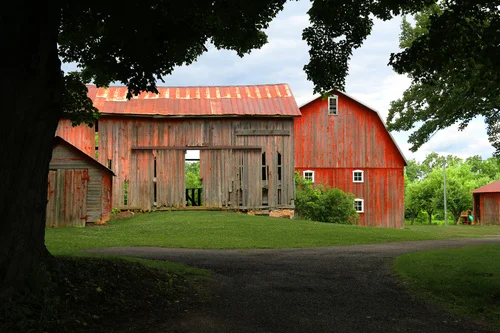
Pennsylvania and West Virginia share more than a border. Families routinely move between the two states while continuing to own property on both sides of the line. A Pennsylvania resident may leave behind a family farm in West Virginia, a hunting camp, a former residence, timberland, or a fractional oil and gas interest inherited several generations ago.
When that person dies, the country roads may lead the estate directly to an ancillary administration.
The primary estate administration ordinarily begins in the state and county where the decedent was domiciled. If the decedent lived in Pennsylvania, the will is generally admitted to probate with the Pennsylvania Register of Wills, which appoints the executor to administer the estate.
That Pennsylvania appointment, however, does not automatically give the executor authority over real estate located in West Virginia. Because each state controls the transfer of real property within its borders, an additional West Virginia proceeding may be required.
West Virginia law permits an authenticated copy of a will that was probated in another state, along with the certificate of probate, to be presented in West Virginia. Depending on the circumstances, West Virginia may appoint an ancillary personal representative with authority over the West Virginia property. In some cases involving only West Virginia real estate, the foreign will and an affidavit may instead be recorded without formally appointing an ancillary personal representative.
The proper approach depends on the property, the language of the will, the proposed distribution, and whether the property must be sold or otherwise administered.
Oil and gas interests can make the process particularly interesting. A Pennsylvania family may know that a parent received occasional royalty checks without realizing that those payments relate to a fractional mineral or royalty interest associated with West Virginia real estate. West Virginia generally treats oil and gas in place as real property, although accrued royalties from oil and gas that has already been produced are treated as personal property. The underlying interest may have been divided among relatives for generations, described in an old deed, or administered by an energy company with incomplete ownership records. Even an interest producing only modest income may still need to be identified, valued, reported, and transferred.
Families can make the process easier by preserving:
- Deeds and prior estate documents
- County and district information
- Property-tax tickets
- Oil and gas leases
- Division orders and royalty statements
- Contact information for operators or land companies
- Records showing how the decedent acquired the interest
Planning during life may also reduce complications. In appropriate cases, West Virginia property may be transferred to a properly funded revocable trust or another ownership structure. That decision should be coordinated with attorneys familiar with both states, particularly when the property carries liability, produces income, or is shared with other family members.
Ancillary administration does not mean the family must manage two unrelated legal teams. Bowles Rice has attorneys in both Pennsylvania and West Virginia who can coordinate the domiciliary and ancillary proceedings, communicate across offices, and help move the property from the decedent’s name to its intended destination.
Owning property across state lines can add another verse to the estate administration song. With coordinated planning and counsel in both states, however, those country roads can still lead the estate home.